UCAS 7 min
Applying by 15 October: Your Two-Week Creative Checklist
A calm, do-this-now checklist for the 15 October creative deadline: references, the three-question statement, portfolio, auditions and your five choices.
Read the guide
Acting, directing and theatre-making, on UCAS and off it.
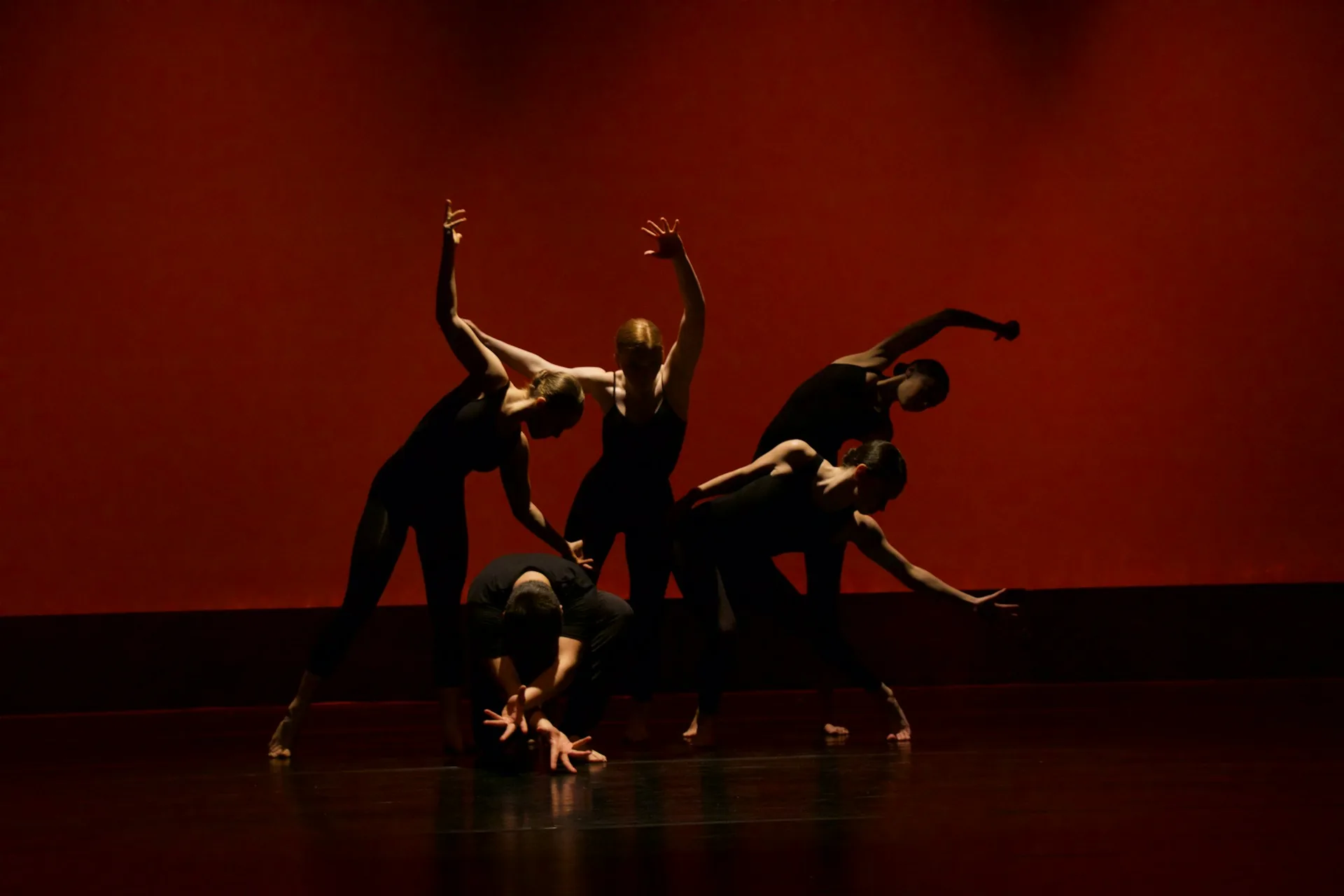
Drama splits into two worlds: vocational conservatoire training (drama schools) and university theatre departments. Drama schools train you for the profession through intensive practical work; university courses blend practice with academic study. Neither is better, but they suit different people, and their application processes barely resemble each other.
Some drama schools recruit through UCAS or UCAS Conservatoires; others, including certain leading conservatoire programmes, run their own applications entirely outside UCAS, which do not count towards your five choices. University drama courses use standard UCAS. Everyone auditions.
Most conservatoire drama and musical theatre courses follow either the 15 October early deadline or the main January deadline depending on the school. Direct-application schools set their own dates. Check every single school individually; this is the discipline where deadline assumptions hurt most.
First-round auditions usually pair a prepared classical and contemporary monologue with a group workshop, where much of the real decision happens. Panels watch how you take direction, listen, and work with strangers. Recalls go deeper with smaller groups.
Audition fees of roughly £45 to £100 per school at many conservatoires, plus travel across potentially five or more auditions between February and April. Fee waivers exist at most schools for lower-income households.
A calm, do-this-now checklist for the 15 October creative deadline: references, the three-question statement, portfolio, auditions and your five choices.
Read the guide
Who to ask for your UCAS reference, what a strong creative one actually says, and how to brief your referee so it backs up your portfolio, not just your grades.
Read the guide
The exact results day playbook for creative applicants: what happens at 8am, when Clearing opens, what to say on the phone, and the portfolio rule nobody mentions.
Read the guide
What actually happens to creative students who miss their grades: the four real routes forward, the 48-hour rule, and why admissions people do not see you as a failure.
Read the guide
The Insider decodes university marketing: what the photography hides, the phrases doing heavy lifting, the numbers that never appear, and the two-minute red flag check.
Read the guide
An anonymous insider with years inside UK creative admissions on what admissions teams really do with your application in the first fortnight, and what never gets read.
Read the guide
What applicants to this discipline ask most.
Most serious applicants audition for between three and eight schools, since direct-application schools do not use up UCAS choices. Each audition takes real preparation, so prioritise schools you would genuinely attend.
No. Panels care about potential and instinct in the room, not qualifications. Some university courses list subject requirements, so check both routes.
Extremely. Many working actors auditioned across two or three cycles before an offer. Schools build cohorts, not rankings, and a no often means the cohort was full of your type.
Offered lands weekly through the cycle with deadlines and prep specific to your discipline. Tell us your subject when you join.