How to Take Feedback on Creative Work Without It Destroying You
The crit survival manual: separating your work from your worth, the note-taking trick that removes the sting, what to say in the room, and which feedback to ignore.
Student Life 8 min read
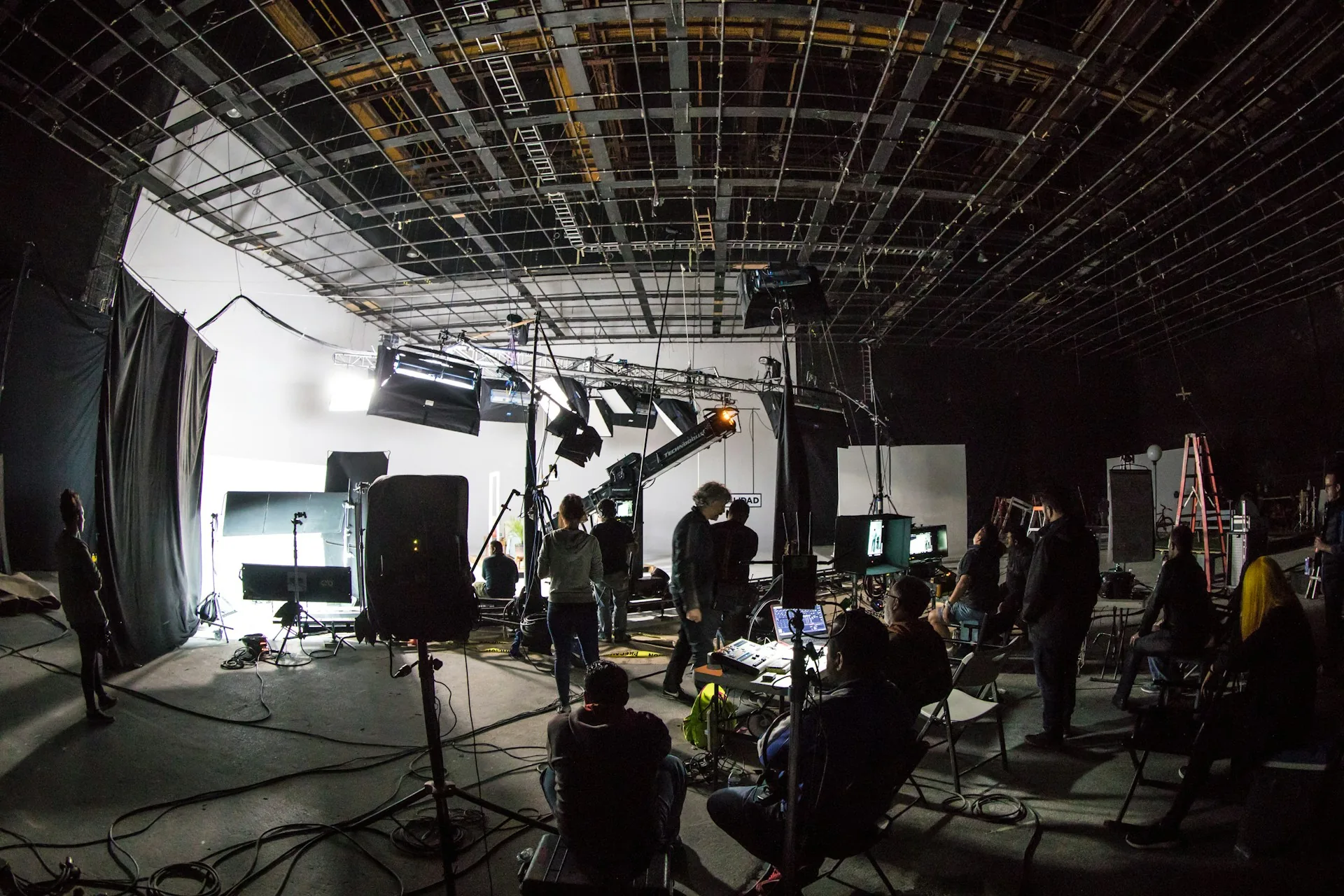
At some point in your first term, you will stand next to something you made while a room full of people discusses it. Someone will use the word “problematic” about a colour choice. Your ears will go hot. And you will discover that no one, in thirteen years of education, taught you how to be critiqued.
Here is that missing lesson.
The reframe that everything else hangs on
The work is not you. It came out of you, it matters to you, but the moment it goes on the wall it becomes a thing in the world that can be discussed, improved, misread and rescued, exactly like every professional creative’s work is discussed daily in studios, rehearsal rooms and edit suites everywhere.
This sounds like a poster slogan until you operationalise it, so operationalise it: in a crit, physically stand slightly to the side of your work, not in front of it. Refer to it as “the piece”, not “my piece”, for the duration. These sound like tricks because they are tricks; they also measurably lower the temperature of what you hear. Criticism of the work lands on the work. You are the person who gets to fix it, which is the powerful position in the room.
Before: rig the crit in your favour
- Decide what you want to know. Walking in with one live question (“does the sequence read?” “is the ending earned?”) converts a firing squad into a consultation. Ask it out loud at the start; rooms respond to being directed.
- Say what the work is doing in two sentences, then stop. Long preambles read as pre-emptive defence and use up the room’s patience before the useful part.
- Sleep and eat. Entirely serious. The same comment lands as “useful note” on eight hours’ sleep and “career-ending verdict” on four.
During: the note-taking trick
Write everything down, verbatim where you can, including the comments that sting. This does three things at once: it gives your hands a job (which keeps your face calm), it signals coachability to the room (which softens how people speak), and, crucially, it postpones evaluation. You are not deciding right now whether the note is fair; you are just the scribe. The deciding happens later, when your pulse is normal.
Useful phrases that keep you in the strong position: “say more about that”, “what would you try instead?”, “which part triggered that?”. One phrase to ration: “yes, but”. Twice is engagement; five times is armour, and rooms stop feeding armoured people.
If your eyes prickle: notes, water, breathe out longer than in. It happens to someone in every cohort every year, it is chemistry rather than character, and by second year it will be a war story.
After: the 48-hour sort
Never act on feedback the same day. Two days later, reread the notes cold and sort every comment into three piles:
- Consensus notes: anything said by two or more people, or that you secretly already knew. These are almost always right, even when delivered badly. Act on them.
- Interesting minority reports: one person’s strange angle that opens a door. Prototype cheaply before committing.
- Taste noise: comments that amount to “I would have made a different thing”. Discard without guilt. Filtering is not arrogance; it is the skill. Every working creative you admire ignores most feedback and obeys the right tenth.
The tell for pile three: it contains no information about your stated intention. The tell for pile one: it stings precisely because it is true.
The dirty secret of harsh rooms
Indifference is the bad review. A room that argues about your work is a room your work activated; the crits to worry about are the polite, brief ones. Tutors push hardest on the students they rate, partly because the whole pedagogy runs on process, and partly because they are rehearsing you for an industry where clients give worse notes with less care. The culture shock guide covers why nobody warned you; the short version is that surviving Tuesday’s crit is the qualification.
And when it is your turn to speak about someone else’s work: describe before you judge, be specific, aim at their intention. You will learn more articulating why something works than you ever learn being praised, which is the crit’s best-kept secret, and the real reason the format has survived a century of students hating it.