Performance Anxiety at Auditions: What Actually Helps
The physiology of audition nerves and the interventions with evidence behind them: preparation depth, simulation, breathing that works, and what panels really notice.
Auditions 8 min read
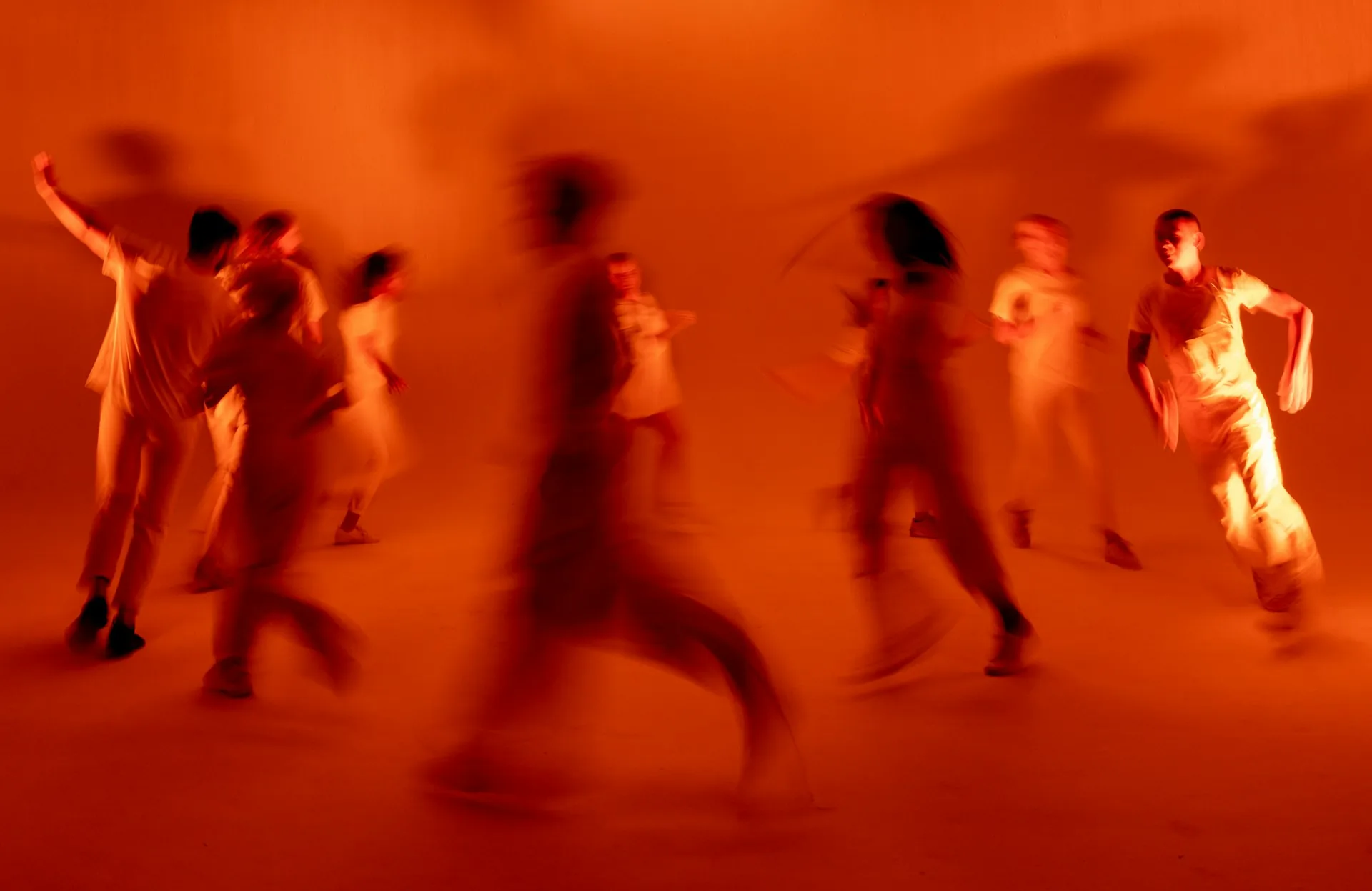
The shaking hands outside the audition room are not a character flaw. They are adrenaline doing exactly what it evolved to do, aimed at the wrong century. You cannot switch the system off, and the good news is you do not need to: every performer you have ever admired walks on stage with the same chemistry. What separates them is not calm; it is that their performance survives the weather.
Here is what actually helps, sorted by when it helps.
Weeks before: depth beats affirmations
The single most effective anxiety intervention is unglamorous: prepare past the point where nerves can reach the material. The rule of thumb performers use is that whatever can survive being played at 80 per cent capacity is safe, because nerves reliably tax about 20 per cent. If a run-through only works when everything goes right, it is not ready for a room where your hands are cold and the acoustic is strange.
Two specific drills build this depth. Start-anywhere practice: begin your piece or monologue from five different points, cold, until no section depends on the run-up. Blanks stop being fatal when every bar is an entry point. Distraction practice: perform the material while someone talks, with the television on, after burpees (this one sounds silly and is used by conservatoire teachers everywhere, because a raised heart rate is precisely the condition you are rehearsing for).
Days before: simulate the room
Anxiety feeds on novelty, so remove it. Perform the full programme, in audition clothes, standing where you will stand, for the most honest audience you can assemble: a teacher, a parent, a phone on a tripod. Walking in, announcing the piece, the silence before starting: rehearse all of it, because the ritual is half the strangeness. Applicants who have done three full simulations report a different day entirely; the room merely becomes the fourth performance of something familiar.
Logistics are anxiety management too. Plan the journey with an hour’s slack, lay out clothes the night before, know what the day involves. Every removed unknown is capacity returned to the work.
On the day: work with the chemistry
- Breathe out longer than in. In for four, out for six or eight, five rounds. The extended exhale is the one breathing pattern with real physiological leverage on the stress response, and it is invisible in a corridor.
- Spend the adrenaline physically. Walk, shake out limbs, do a proper warm-up. Adrenaline is designed for movement; sitting rigid on a plastic chair bottles it.
- Rename it once. “Excited” and “terrified” are the same physiology with different commentary, and performers who reframe arousal as readiness measurably perform better than those who fight for calm. You are not trying to relax; you are trying to aim.
- Eat something, skip the extra coffee. Caffeine on an empty nervous stomach is self-sabotage with better branding.
- Have a first-ten-seconds plan. Nerves peak at the start, so over-prepare the opening bars or lines until they run on rails. Ten seconds in, the material takes over and the body follows.
Inside the room
Panels have seen ten nervous people since breakfast and will see ten more; nerves carry no information for them. What they watch is recovery: the smudged note released rather than grieved mid-performance, the dropped line rejoined without an apology tour. Recovery is a rehearsable skill (deliberately plant mistakes in practice runs and rehearse continuing), and it impresses panels more than sterile perfection, because it is the skill their profession actually runs on.
If something does derail: pause, breathe out, restart the phrase. Asking to restart a piece early on is almost always fine at undergraduate auditions and better than white-knuckling a collapse.
When it is bigger than technique
Some anxiety does not respond to preparation, and that is a different category: panic attacks around performing, avoidance that is shrinking your playing or acting, dread that leaks into ordinary weeks. That is common, treatable and worth naming to a GP or counsellor rather than practising harder at. University services increasingly offer performance-specific support, and the musicians’ health organisations run programmes for exactly this. Getting help early is a professional habit, not an admission; a career’s worth of stages is worth the conversation.
The techniques here are general performance psychology, not medical advice. If anxiety is affecting your daily life, please talk to a professional.